How Do You Choose a Flake Size and Color Blend
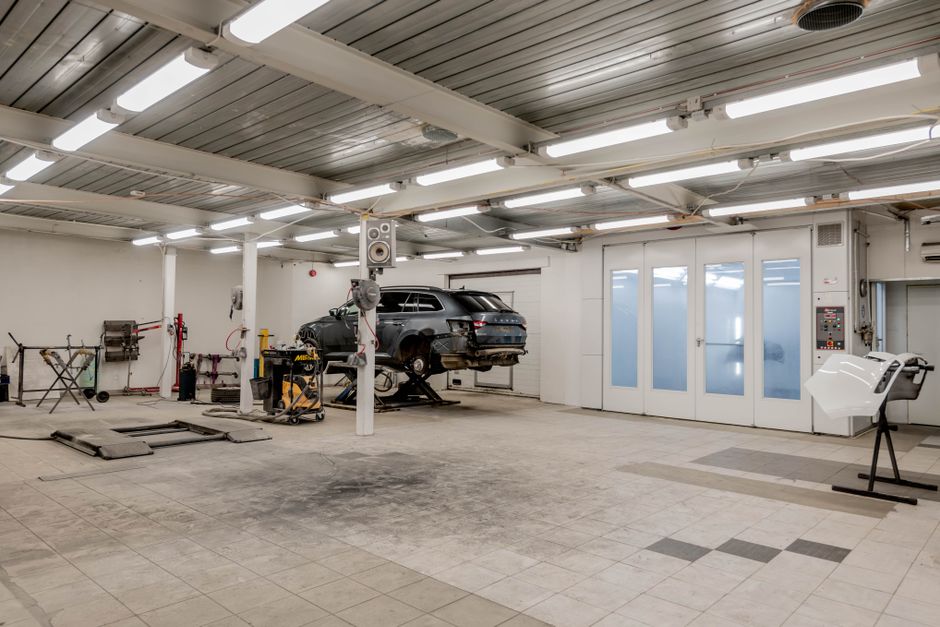
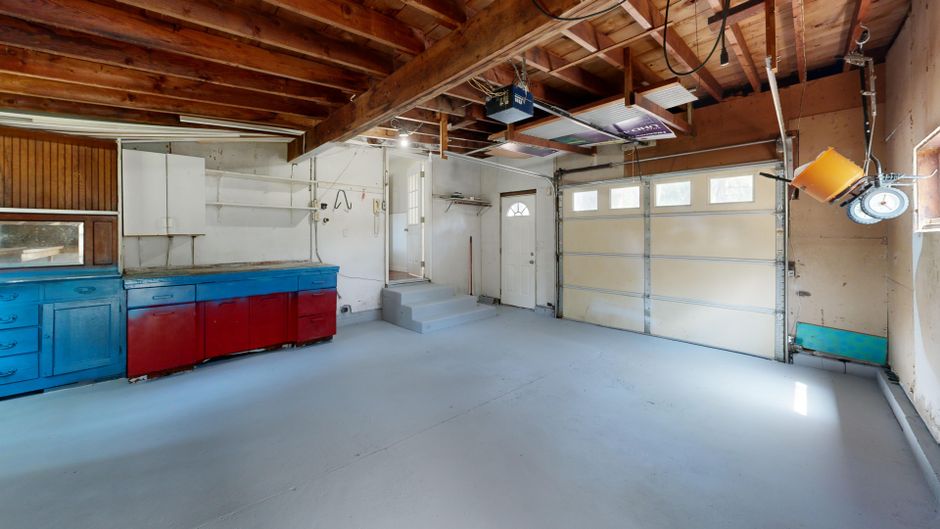
The cost of a flake floor is set mostly by slab condition, grinding time and how much flake goes down, as the notes at flake epoxy floors riverside silver lake film festival describe. A garage in Riverside, CA with oil staining and an old coating needs more diamond grinding than a clean bare slab, and a full broadcast uses more vinyl flake than a light scatter. Color gets chosen after those two decisions are made, and it should be chosen with the dust and wear of the garage in mind.
Chip size sets the look
Flake sizes run from small chips up to larger ones. Larger chips give a bolder, more visible pattern. Smaller chips give a finer look close to granite. Bigger flake is not automatically tougher, since durability comes from the epoxy, the preparation and the topcoat, not from the chip size. Pick size for the look and for how the surface will feel underfoot.
Broadcast coverage and the base coat
A full broadcast buries the base coat and hides slab flaws such as patched cracks and trowel marks better than a partial broadcast. A partial broadcast leaves gaps, and the base coat color shows through them. That means the base coat and the flake blend are one decision. A gray base coat under tan flake reads differently from a white one, and the difference is easy to miss until the floor is down.
Color and dust in the Inland Empire
Santa Ana winds push fine dust into garages across Riverside County, and the floor shows it. Multi color blends hide dust, tire marks and minor scuffs better than a solid color or a very light floor. Tan, gray and brown blends tend to mask the fine dust best. Very dark floors go the other way, because dust and light scratches stand out on them more than on a mid tone blend. Color does affect how often a floor looks like it needs cleaning.
Texture, topcoat and grip
The flakes sit under a clear coat, and the topcoat sets the final texture. A polyaspartic or urethane topcoat can be left smooth or given grip with quartz sand or a similar additive. More texture grips better when wet but holds more grit and takes more effort to sweep and mop. A garage near Victoria Avenue that sees wet tires in winter wants a different finish from a dry workshop. Ask to feel a finished sample, not a bare chip.
Judging a sample
A small chip or a screen image misleads. Screens shift color, and a small chip overstates the edge of the pattern and hides how the blend repeats. A larger physical sample, at least a board sized piece, should be viewed inside the garage under the actual lighting, in morning and in the evening. Hold it next to the door, the wall paint and the cabinets. Lay it flat and look from standing height, since that is how the floor will be seen. Colors that looked close in a showroom often separate under the garage lights.