When Is the Best Time to Install a Flake Floor in Riverside Weather
Slab temperature decides when an epoxy floor gets coated, and air temperature only hints at it. Jobs in Riverside, CA (as logged at flake epoxy floors riverside silver lake film festival) are scheduled around the concrete, the dew point and the wind before anyone mixes a batch. Summer heat, Santa Ana winds and cool damp nights each change how the base coat behaves, so the day is planned backward from the weather.
Heat and working time
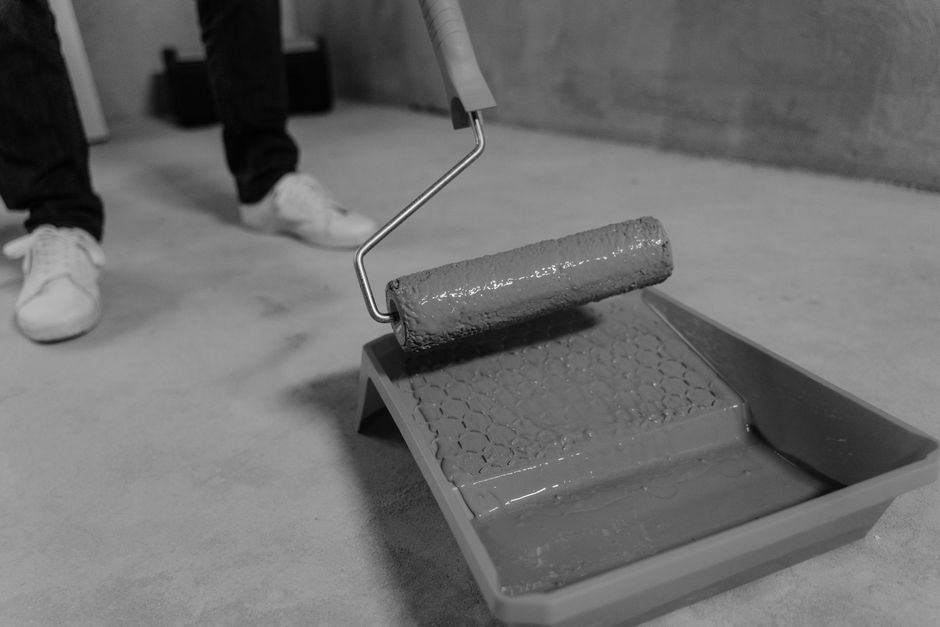
Coating chemistry speeds up as temperature rises. On a hot afternoon the working time shrinks, the material starts to set in the roller tray, and the result is roller marks or lap lines where one pass meets the next. Fast products such as polyaspartic leave even less room to correct a mistake. For that reason many installers in Riverside start early in the morning during summer, while the slab is still cool and the mix stays workable.
Slab temperature, not air temperature
A slab warmed by afternoon sun can stay hot well into the evening, even after the air feels comfortable. A garage in the Inland Empire can read mild on a thermometer while the concrete is still giving off heat. Check the surface with an infrared gun before the primer goes down. Applying coating while the slab is warming can draw air out of the concrete, and that air rises through the film as pinholes or bubbles. This is called outgassing. Coating when the slab is steady or cooling avoids most of it, and it holds for the base coat just as much as the primer.
Dew point and cool damp nights
Industry guidance commonly calls for the slab to sit at least 5 degrees F above the dew point. Closer than that, moisture can condense under the coating and show up later as a cloudy or poorly bonded film. Cool damp nights near the Santa Ana River can also cause amine blush on some epoxies, a waxy surface layer that has to be washed off before the next coat. Sanding or recoating over blush is where adhesion problems start, especially before a clear coat or topcoat.
Santa Ana winds and dust
Santa Ana winds carry dust and debris, and all of it sticks to wet coating. A leaf or a fleck of grit set into the film stays there once it cures. Garage doors are often kept mostly closed during application, even on streets off Victoria Avenue where the day otherwise looks calm. The very low humidity that comes with those winds can also speed surface drying, so the film skins sooner than the clock suggests. When flake is broadcast into a wet base coat, vinyl flake lands evenly only if the air in the bay is still.
Ventilation with the doors closed
Closing the doors against wind does not remove the need for fresh air. Solvent based products still need ventilation, so the door stays cracked or a fan moves air through a controlled opening. Pull the air from the far end of the garage and screen the intake if dust is blowing. After diamond grinding and vacuuming, the room is as clean as it will get, so the opening is managed rather than left wide.