Should a Flake Floor Use Epoxy or Polyaspartic Coatings
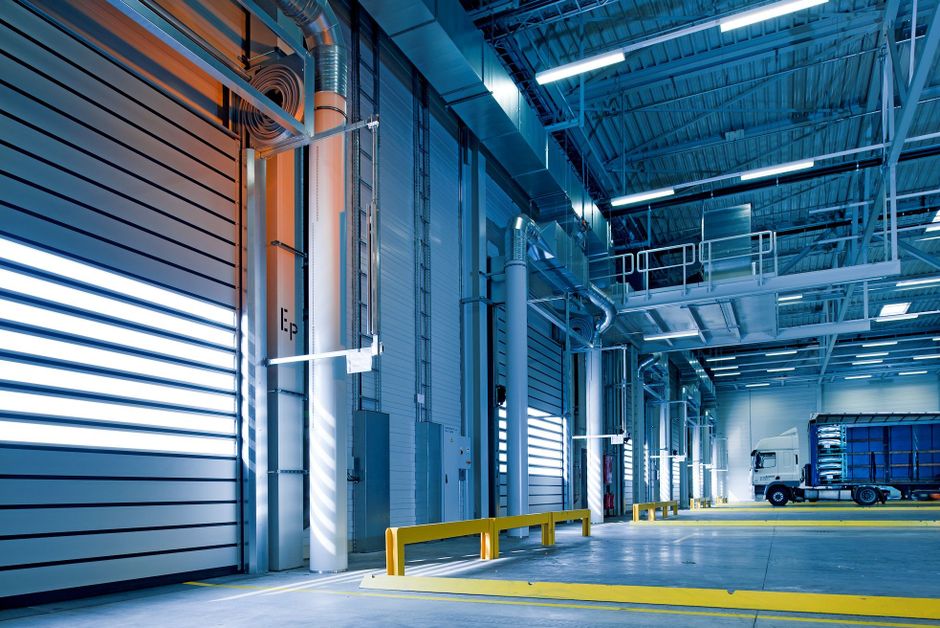
Epoxy that sees direct sun will amber, and the color shift shows first at the open garage door. Material choice for a flake floor in Riverside, CA (as set out at flake epoxy floors riverside silver lake film festival) starts with where the light lands on the slab, because the Inland Empire gives a garage strong sun and high heat for most of the year.
Why standard epoxy yellows
Most standard epoxies are aromatic, and aromatic chemistry turns amber under UV. Near the door the first four feet go honey-colored while the back wall stays clear. A solid color in gray or tan hides the shift well. A clear coat over pale flake shows it plainly. Garage doors that stay open all day make it worse.
What polyaspartic changes
Polyaspartic is aliphatic, so it resists yellowing from UV far better than standard epoxy. It also cures much faster, which lets many systems finish in a single day. Polyurea is a related chemistry, but the two are not always the same product, so the data sheet decides what goes in the bucket.
Working time on hot days
Faster cure means a shorter working time, and heat cuts it further. On a summer slab in Riverside, with dry heat and santa ana winds pulling moisture off the surface, a full pail can gel before it is rolled out. Installers mix smaller batches, keep a wet edge, and move in short runs with one person pouring and another back-rolling.
Epoxy base coat, polyaspartic topcoat
Epoxy has a longer working time and good penetration into a profile cut by diamond grinding. That is the reason some systems pair an epoxy base coat with a polyaspartic topcoat. The base does the bonding and the topcoat takes the sun. Epoxy quality varies between products, so solids content and the maker's cure schedule matter more than the label.
Flake and the clear layer
Decorative flake is usually vinyl flake, broadcast by hand into the wet base coat until it covers fully, then scraped and swept once cured. It adds color and texture. It adds no structural strength on its own. The flakes sit beneath the clear layer, so the topcoat thickness and quality largely decide abrasion and chemical resistance. A thin topcoat over heavy flake wears through at the tire path first, while a properly built one keeps the surface sealed against oil, brake fluid and hot tires.